Accredited laboratory analysis
Mold Testing in Fort Myers, FL
Independent assessment, written up so you can act on it.
Find Out What Is Actually Growing
Mold testing answers one question that looking cannot. What is it, and how much of it is in the air you are breathing?
We take samples, send them to an independent accredited laboratory, and give you the results with an explanation you do not need a science degree to follow. Most reports are back within 24 to 48 hours of the lab receiving them.
Testing is not always the right first step. If you can see the growth and you know where the water came from, a visual inspection may tell you everything you need. We will say so when you call (239) 555-0142 rather than sell you a test you do not need.
What Testing Covers
Air sampling
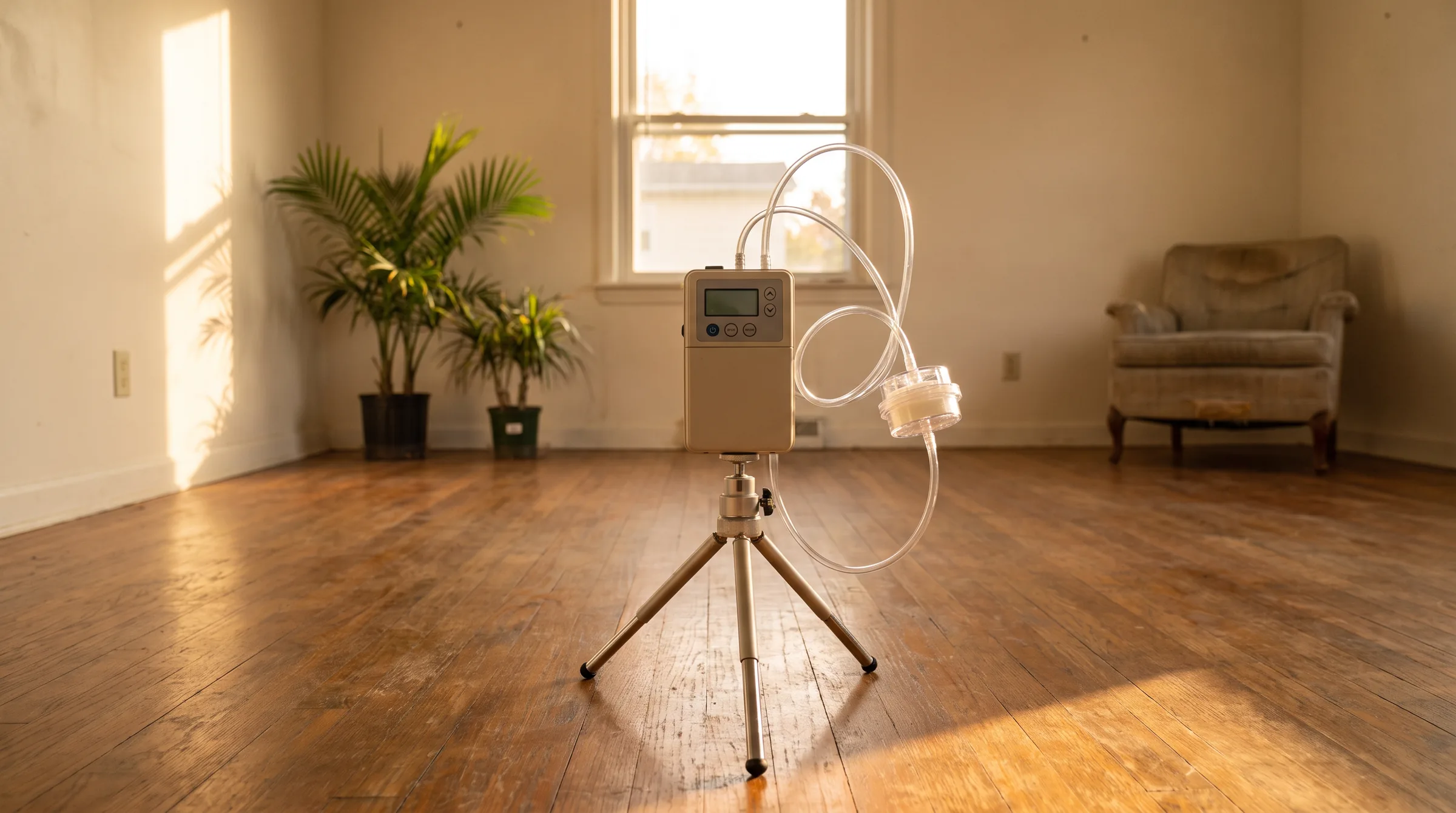
Spore traps taken indoors and outdoors on the same visit. The outdoor sample is the control, because Florida air always carries some spores. What matters is the difference between the two.
Surface sampling
Tape lifts or swabs from the growth itself. This identifies species on a specific surface, which is what you want when there is something visible to test.
Moisture and humidity readings
Recorded at every sample point, because a spore count without a moisture reading tells you half the story.
Written lab report
Species, counts, sample locations, photographs, and what the numbers mean for your property.
What Mold Testing Costs
Pricing depends on how many samples the property needs, and that depends on its size and how many separate areas are in question.
Ask any tester for their sample count before you compare prices. A cheap quote with two samples and an expensive one with eight are not the same service, and the sample count is where the difference usually hides.
We quote before we visit, and the quote includes the lab fee. There are no per-sample surprises after the fact.
Why Our Results Hold Up
We do not read our own homework
Samples go to an independent accredited lab. We are not the ones deciding what your samples contain.
We do not do removals
Florida law separates assessment from remediation. We only do the first, so a high spore count never turns into a quote for our own work.
Reports built for insurers
Sample locations, photographs, moisture readings and lab data in one document, in the form an adjuster expects.
We tell you when not to test
Plenty of calls end with us saying an inspection is enough. That conversation is free.
Book mold testing this week
How Mold Testing Works
1. Phone call
We ask what you are seeing, smelling, or worrying about, and whether testing is the right tool.
2. Site visit
We walk the property, take moisture readings, and decide sample placement based on what we find rather than a fixed package.
3. Sampling
Air and surface samples are collected, labelled, and chain of custody recorded.
4. Laboratory analysis
Samples go to an accredited independent lab for species identification and spore counts.
5. Written report
Results, photographs, sample map and plain-English interpretation.
6. Your next move
Take the report to whichever remediation contractor you choose, or to your insurer. We do not refer, and we do not take referral fees.
Common Questions
How long do mold test results take?
Most laboratories return results within 24 to 48 hours of receiving samples. We send the written report the same day the lab reports to us, so you are usually reading it within three days of the visit.
How many samples does a property need?
It depends on size and how many separate areas are in question. A single room complaint needs fewer than a whole-house concern. We set the count after walking the property, not before.
Does a high spore count mean the house is unsafe?
Not on its own. Counts are read against the outdoor control sample taken the same day, and against where the samples were placed. The report explains what your specific numbers mean.
Can I use your report for an insurance claim?
Yes. Reports include sample locations, photographs, moisture readings and the lab data adjusters ask for. We document the moisture source, which is usually the part a claim turns on.